H2-ICE Knowledge Hub

Convert Your Fleet to Hydrogen Today.

The goal is to position H2-ICE as the Third Path for Australian fleets—preserving existing assets while meeting zero-emission mandates.

Why H2-ICE is the Practical Bridge to 2030

The goal is to position H2-ICE as the Third Path for Australian fleets—preserving existing assets while meeting zero-emission mandates.

Cost-Effective Conversion

The CAPEX Argument: FCEVs are expensive and require a complete platform redesign. H2-ICE allows you to keep your existing chassis and drivetrain, significantly lowering the initial barrier to entry.

Zero Carbon Output

Zero-Emission Inclusion: Note that as of early 2026, many regulatory frameworks (including the EU and emerging AU standards) have officially included hydrogen combustion as a zero-emission path, unlocking government rebates.

Diesel-Like Performance

The Operational Continuity: Your existing diesel mechanics already understand the internal combustion architecture. Converting to H2-ICE means your maintenance workflows don't have to change.

The Technical Reality: Hydrogen vs Diesel

Direct Injection is King

Direct Injection is King: We will highlight that modern H2-ICE systems (like the ones you'll link to) solve the pre-ignition and backfire issues of early hydrogen prototypes.

Built for Harsh Australian Conditions

The Thermal Advantage: In high-load, high-dust Australian environments (mining and long-haul), combustion engines are historically more resilient than delicate fuel cell stacks.
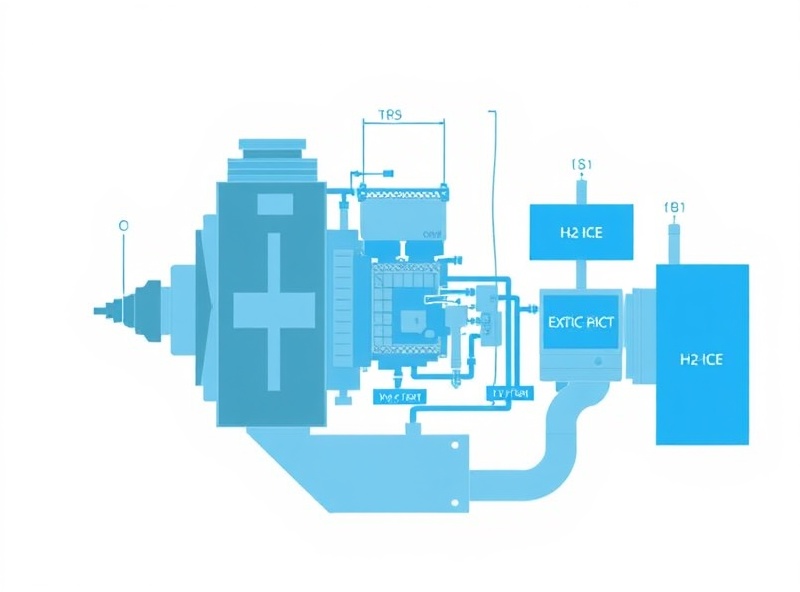
H2-ICE Technical Schematic

The Knowledge Hub

A clean, searchable blog featuring technical deep-dives into direct injection and NOx control.

Core Blog Post 1

Why Australia's Heavy Fleets are Choosing H2-ICE Over Fuel Cells in 2026.

The Practical Bridge to 2030

Read Article

Download our Conversion Feasibility Guide

Captures leads for your future business opportunities and guides fleet managers through the conversion process.