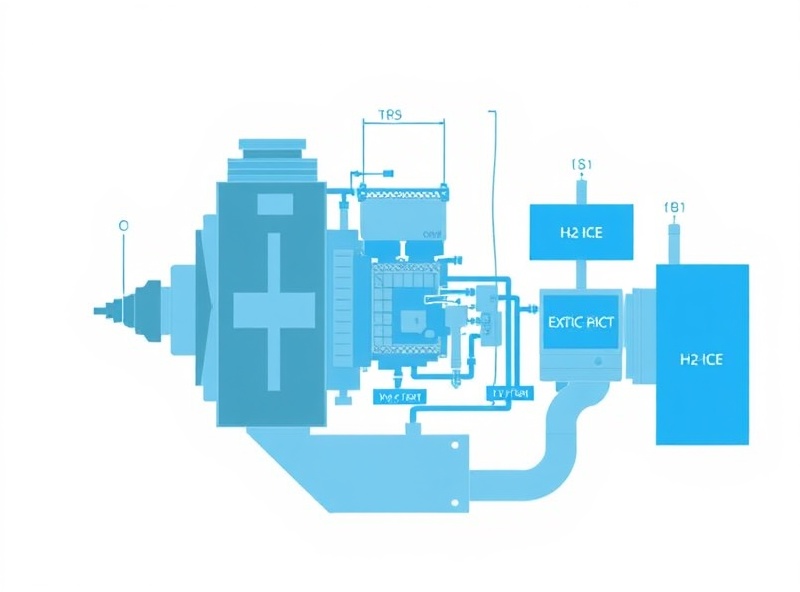
The hydrogen economy requires infrastructure. Without reliable refueling networks, even the most capable H2-ICE vehicles are immobile. Australia is accelerating hydrogen infrastructure development, recognizing its strategic importance for decarbonizing heavy transport.
Current State of Play
As of early 2026, Australia has approximately 15 hydrogen refueling stations operational or under development, concentrated in major urban centers and transport corridors. This compares to just three stations in 2023, representing rapid acceleration.
Key locations include:
- Sydney and Newcastle (NSW): 5 stations
- Melbourne (VIC): 4 stations
- Brisbane (QLD): 3 stations
- Emerging interest in Adelaide and Perth
This expansion is driven by government funding, corporate partnerships, and logistics operators preparing for H2-ICE adoption.
Government Initiatives
The Australian government has committed A$1.8 billion to hydrogen development through the National Hydrogen Strategy. Specific funding allocates:
- A$180 million for hydrogen production and supply chain development
- A$220 million for hydrogen hubs in regional Australia
- Support for hydrogen refueling infrastructure through grants and tax incentives
State governments are adding their own support. New South Wales has funded hydrogen projects in the Hunter Valley (a major mining region), recognizing H2-ICE’s application to mining fleet operations.
Private Sector Investment
Major logistics companies are not waiting for government. Coles Group, Caltex, and Shell are all investing in hydrogen refueling infrastructure. These private investments are strategic: companies want to ensure refueling availability for their fleets, and they see commercial potential in offering hydrogen to other operators.
Shell’s partnership with Suncorp is particularly significant. Together, they’re deploying hydrogen refueling at major logistics hubs, creating regional networks that will support fleet conversion.
Technical Standards
Australia is adopting the ISO 14687 standard for hydrogen fuel quality, ensuring compatibility across suppliers and refueling networks. This standardization is critical: it means hydrogen produced in Western Australia can fuel vehicles in Queensland without compatibility issues.
Refueling protocols are also standardized, reducing training requirements for drivers and fleet maintenance teams.
Cost and Scalability
The per-liter cost of hydrogen fuel is declining as production scales. Early adopters pay A$12-15 per kilogram (equivalent to about A$1.50-2.00 per liter of diesel equivalent). By 2030, costs are expected to fall to A$8-10 per kilogram as production capacity increases.
This cost trajectory is critical: H2-ICE conversion’s economic advantage depends on competitive fuel pricing. As infrastructure expands and hydrogen production scales, fuel costs will become increasingly competitive with diesel.
Regional Opportunity
Regional Australia represents both a challenge and opportunity. Remote areas (Outback, far North Queensland) have limited near-term infrastructure. However, these regions have abundant renewable energy resources (wind, solar) ideal for hydrogen production.
Long-term, regional Australia could become hydrogen production centers, supporting both domestic fleet conversion and export opportunities.
Challenges
Several hurdles remain:
- Hydrogen production currently relies partly on steam methane reforming (SMR), which produces CO2. Green hydrogen (produced from renewable electricity) remains more expensive.
- Supply chains are immature; qualified installers and engineers are in short supply.
- Refueling network density is still inadequate for long-distance routes outside major corridors.
These are solvable problems with sufficient time and investment.
Timeline to 2030
The trajectory is clear:
- By 2027: 30+ refueling stations operational; hydrogen cost below A$10/kg
- By 2029: 50+ stations; hydrogen as competitive with diesel for fleet TCO
- By 2030: Adequate infrastructure for widespread fleet conversion in major regions
Fleet operators considering H2-ICE conversion should begin now. Early adopters will benefit from government incentives, access to limited infrastructure, and competitive advantages in recruitment (ESG-focused talent) and customer perception.
The infrastructure is being built. The refueling networks are coming. The question is not if Australia will have hydrogen infrastructure by 2030—it’s whether your fleet will be ready to use it.