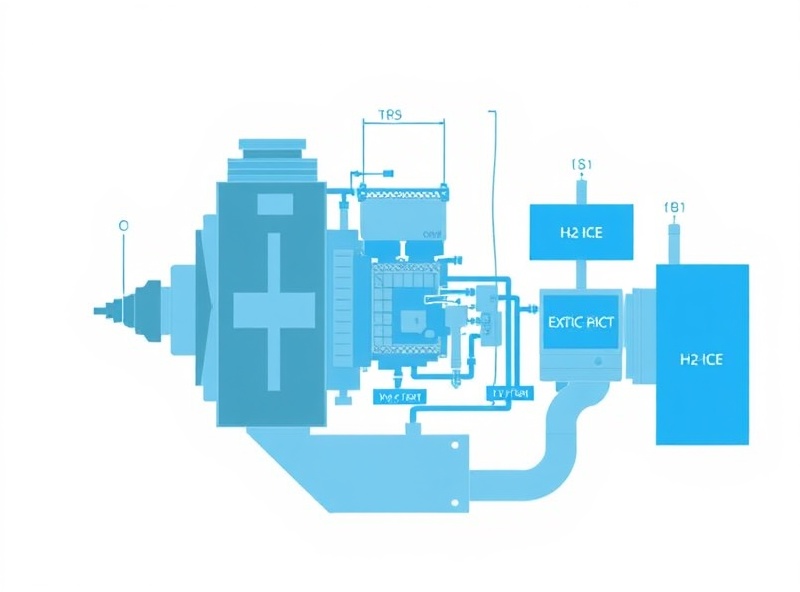
The transition to zero-emission vehicles represents one of the most significant challenges facing Australia’s transport and logistics sector. With increasingly stringent environmental regulations and a 2030 mandate looming, fleet operators are scrutinizing their options. Two primary contenders have emerged: Fuel Cell Electric Vehicles (FCEVs) and Hydrogen Internal Combustion Engines (H2-ICE). While FCEVs have received considerable media attention, H2-ICE is emerging as the more practical solution for Australia’s unique operational landscape.
The Case for H2-ICE
CAPEX and Operational Efficiency
The most compelling advantage of H2-ICE conversion is economic. Converting existing diesel vehicles to hydrogen combustion requires modest modifications to the fuel system and ignition timing—typically costing 20-30% less than acquiring new FCEVs. More importantly, fleet operators can retain their existing chassis, drivetrain, and training infrastructure.
For a mid-sized Australian logistics company with 200 vehicles, the difference is substantial. An FCEV fleet replacement costs upwards of $3 million per unit. A phased H2-ICE conversion program costs a fraction of that, allowing operators to modernize incrementally while maintaining operational continuity.
Reliability in Harsh Environments
Australia’s mining and long-haul logistics sectors operate in extreme conditions: high temperatures, dust-laden environments, and remote regions with limited refueling infrastructure. FCEVs, with their delicate fuel cell stacks and complex cooling systems, are vulnerable to these conditions. A fuel cell requires pristine hydrogen and carefully controlled thermal management—both challenging in the Outback.
In contrast, combustion engines are inherently robust. A mechanic trained on diesel engines can understand H2-ICE systems with minimal additional instruction. Maintenance protocols remain familiar. Parts sourcing is simpler because the underlying architecture is proven and time-tested.
Regulatory Alignment
As of early 2026, hydrogen combustion has been officially recognized as a zero-emission pathway by both the EU and emerging Australian regulatory frameworks. This means H2-ICE conversions unlock government rebates and environmental compliance credits—effectively subsidizing the transition. The regulatory landscape has shifted decisively in H2-ICE’s favor.
The Knowledge Gap
Many fleet operators and policy makers remain unaware that H2-ICE is even an option. The media narrative around hydrogen has been dominated by fuel cell technology, which is flashier but less practical for commercial fleets. Our role is to educate the market about what modern H2-ICE systems offer.
The Path Forward
For Australian fleets, H2-ICE represents the “Third Path”—neither abandoning diesel engines nor committing to unproven fuel cell technology. It preserves capital, maintains operational expertise, and delivers genuine zero-emission benefits. As more conversions are completed and real-world performance data accumulates, adoption will accelerate.
The fleets that move first will gain a competitive advantage: lower operating costs, regulatory compliance, and enhanced sustainability credentials. The time to evaluate H2-ICE conversion is now.