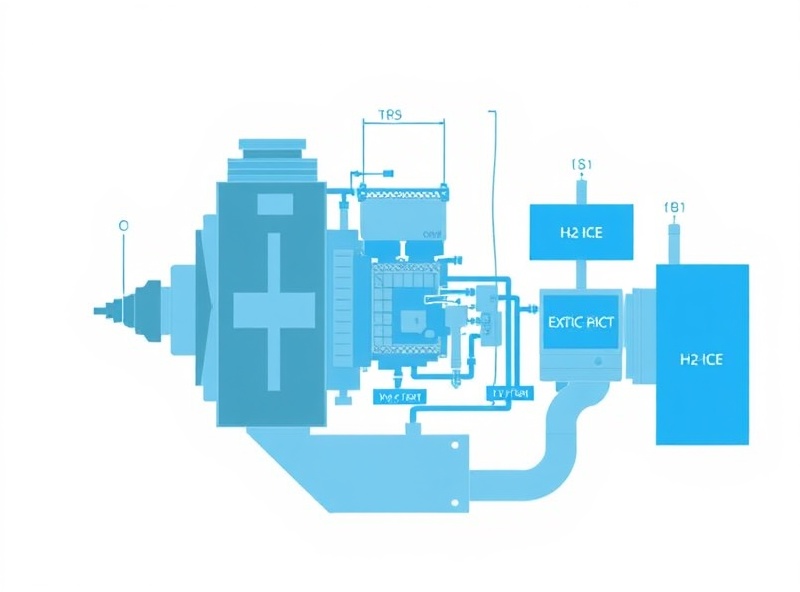
H2-ICE vehicle conversion is not just about buying new equipment—it’s about building organizational capability. Successful fleet operators invest in thorough training and maintenance infrastructure before converting vehicles.
Mechanic Training Requirements
Converting a diesel mechanic to H2-ICE technician requires focused training. The good news: diesel mechanics already understand the underlying engine architecture. The transition is conceptually straightforward.
Initial Certification (40-60 hours)
Comprehensive initial training covers:
Hydrogen Safety (8 hours)
- Hydrogen properties and behavior
- Leak detection and response
- Safe handling procedures
- Emergency protocols
- Regulatory requirements
Engine System Overview (12 hours)
- H2-ICE engine architecture and operation
- Key differences from diesel engines (fuel injection, ignition timing, combustion chamber design)
- Cooling system adaptations
- Electrical system modifications
- Management software and diagnostics
Fuel System (8 hours)
- Hydrogen storage systems (tank design, pressure ratings)
- Fuel lines and connections (different specifications than diesel)
- Regulators and pressure management
- Fuel filters and quality control
- Leakage testing procedures
Maintenance Procedures (12 hours)
- Oil analysis and specification (hydrogen requires specific oil)
- Spark plug replacement and specifications
- Hydrogen injector maintenance
- Emission control system service (EGR, SCR, catalytic converters)
- Troubleshooting and diagnostics
Hands-On Practice (8-12 hours)
- Actual vehicle disassembly and assembly
- Common repair scenarios
- Tool and equipment familiarization
- Real-world problem-solving
Recommended Training Providers
Several organizations now offer H2-ICE technician training:
- Hydrogen Council Training Centers: Formal certification programs (12-week part-time courses)
- Vehicle Manufacturer Programs: OEM-specific training from conversion kit suppliers
- Australian Government Initiatives: Some state governments offer subsidized training through TAFE/VET providers
- Online Learning Platforms: Supplementary training modules (should be combined with hands-on instruction)
Cost: A$3,000-8,000 per technician for comprehensive training
Ongoing Certification
Annual refresher training (8-12 hours) maintains competency and addresses:
- New diagnostic tools and procedures
- Updated repair techniques
- Regulatory changes
- Safety protocol updates
Driver Training Requirements
Drivers transitioning from diesel to H2-ICE vehicles require less extensive training than mechanics, but certain new procedures must be learned.
Initial Driver Training (4-6 hours)
Training covers:
Vehicle Systems and Controls (1 hour)
- Dashboard indicators and warnings (hydrogen pressure gauge, fuel level)
- Climate control and safety systems
- Power steering and braking (slightly different feel than diesel)
- Regenerative braking (if equipped)
Refueling Procedures (1 hour)
- Locating certified refueling stations
- Safe refueling protocol
- Pressure management and bleed procedures
- Emergency shut-off procedures
- Cost tracking and fuel consumption monitoring
Operational Safety (1 hour)
- Hydrogen leak indicators (low-pressure gauge, warning lights)
- Emergency response (who to call, what to do)
- Communication protocols (reporting issues)
- Vehicle maintenance responsibility (pre-trip checks)
Practical Experience (1-2 hours)
- Supervised refueling
- Vehicle operation under various conditions
- Emergency procedure practice (simulated scenarios)
- Q&A and concerns resolution
Compliance and Documentation (0.5-1 hour)
- Regulatory requirements and driver responsibilities
- Insurance information
- Company policies
- Emergency contact information
Driver Acceptance
Most drivers adapt quickly to H2-ICE vehicles. Key observations from early adopters:
- Drivers appreciate simpler transmission (many H2-ICE conversions use automatic transmissions)
- Acceleration is smooth and responsive (positive feedback compared to older diesel vehicles)
- Noise levels are lower than diesel (improved cabin comfort)
- Refueling is faster than diesel (no long queues at fuel stations)
- Environmental motivation helps overcome initial apprehension
Driver training costs: A$500-1,000 per driver (mostly opportunity cost for time away from routes)
Maintenance Infrastructure
Converting a fleet to H2-ICE requires specific infrastructure investments:
Specialized Tools and Equipment
- Hydrogen leak detection equipment (sensitive sensors)
- High-pressure testing equipment
- Specialized wrenches and adapters (hydrogen fuel system components)
- Diagnostic software and hardware (compatible with vehicle management systems)
- Personal protective equipment for hydrogen work
Estimated investment: A$50,000-100,000 per workshop
Facility Modifications
H2-ICE maintenance facilities should include:
- Proper ventilation (hydrogen dissipates naturally, but good airflow is essential)
- Fire suppression systems (optional; standard shop systems usually sufficient)
- Hydrogen detection systems (monitors for leaks in maintenance bays)
- Segregated hydrogen fuel lines (if on-site hydrogen refueling is planned)
Estimated facility upgrade cost: A$20,000-50,000
Inventory Management
Spare parts for H2-ICE vehicles include:
- Hydrogen injectors (A$2,000-3,500 per injector)
- Fuel system regulators (A$1,500-2,500)
- Spark plugs and ignition coils (similar to diesel, A$150-400)
- Fuel filters (hydrogen-specific, A$100-200)
- EGR and SCR aftertreatment components (A$3,000-8,000)
Fleet operators should maintain:
- Critical parts inventory (injectors, regulators, fuel filters)
- 3-6 month supply of consumables (oil, spark plugs)
- Relationships with parts suppliers for rapid turnaround
Organizational Change Management
Beyond technical training, successful fleet conversion requires organizational change management:
Communication Strategy
- Transparent information sharing about conversion plans
- Regular updates on fleet status and performance
- Success stories and lessons learned
- Addressing concerns and misconceptions
Incentive Alignment
- Performance bonuses for drivers maintaining hydrogen vehicle efficiency
- Recognition for mechanics achieving certifications
- Shared benefits from fuel cost savings
- Career development opportunities
Phased Implementation
Converting 100% of the fleet at once overwhelms operational capacity. Phased approaches (10-15% per quarter) allow:
- Training to occur as vehicles are introduced
- Troubleshooting of early issues before scaling
- Gradual skill development
- Sustainability of service quality
External Support
- Maintain relationships with conversion kit suppliers (for technical support)
- Engage hydrogen refueling station operators (for training and coordination)
- Participate in industry groups (learn from other fleet operators)
- Access government training subsidies and incentive programs
Timeline and Budget Summary
For a mid-size fleet (50 vehicles) converting to H2-ICE over 18 months:
Training Costs:
- Mechanic training (2-3 technicians): A$18,000-24,000
- Driver training (50 drivers): A$25,000-50,000
- Subtotal: A$43,000-74,000
Infrastructure Investment:
- Tools and equipment: A$50,000-100,000
- Facility modifications: A$20,000-50,000
- Spare parts inventory: A$30,000-50,000
- Subtotal: A$100,000-200,000
Total Training and Infrastructure: A$143,000-274,000
This represents approximately A$2,860-5,480 per vehicle—modest compared to A$85,000-110,000 conversion costs.
Conclusion
H2-ICE fleet conversion requires organizational investment beyond vehicle costs. Training mechanics and drivers, upgrading facilities, and building organizational capability take time and resources.
However, this investment pays dividends. Properly trained staff:
- Maintain vehicle reliability at high levels
- Minimize downtime through proactive maintenance
- Maximize fuel efficiency through proper operation
- Ensure safety compliance
- Reduce long-term operating costs
Fleet operators succeeding with H2-ICE are those who invest in their people. The vehicles are ready; your team should be too.