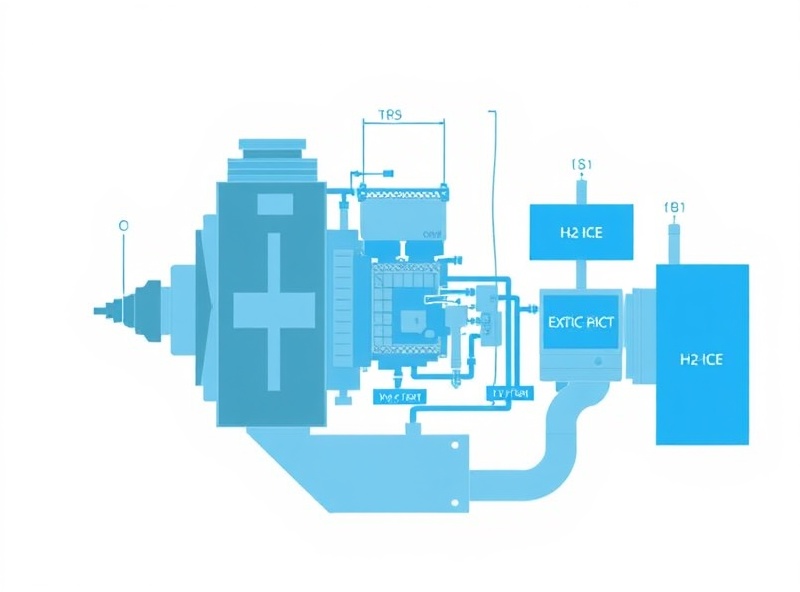
For years, hydrogen combustion occupied a regulatory gray area. Policy makers focused on battery electrification and fuel cells, leaving H2-ICE in limbo. That landscape has shifted dramatically. In 2025-2026, major regulatory authorities—including the European Union and emerging Australian frameworks—have officially recognized hydrogen combustion as a legitimate zero-emission pathway.
The EU’s Stance
The European Union’s refined emissions regulations now explicitly include hydrogen combustion engines in the definition of “zero-emission vehicles” under specific conditions. This recognition came after extensive technical review demonstrating that modern H2-ICE systems produce zero tailpipe carbon emissions and negligible nitrogen oxide (NOx) emissions when equipped with appropriate aftertreatment systems.
The EU’s decision carries weight globally. Australian regulators, often aligned with EU standards, have begun incorporating similar language into emerging national frameworks.
Australian Federal Government Support
The Australian government has signaled increasing support for hydrogen technology as part of its pathway to net-zero emissions. While much of the focus remains on green hydrogen production infrastructure, the government has begun explicitly recognizing hydrogen combustion as a viable decarbonization strategy for heavy transport.
Key signals include:
- Inclusion of H2-ICE in draft heavy vehicle emissions reduction targets
- Government support for hydrogen refueling infrastructure development
- Research funding for hydrogen engine technology and fleet conversion programs
Rebates and Incentive Programs
Perhaps most importantly for fleet operators, regulatory recognition translates into financial incentives. Several Australian state governments and federal grant programs have begun offering rebates and subsidies for fleet electrification projects—language that now explicitly includes hydrogen conversion.
A fleet converting 50 vehicles to H2-ICE can expect rebates of $100,000-$500,000 depending on the jurisdiction and vehicle type. These incentives effectively reduce conversion costs by 15-25%.
Supply Chain Implications
Regulatory recognition has triggered supply chain investment. Hydrogen refueling networks are expanding, particularly in New South Wales and Victoria. Equipment manufacturers are scaling production of H2-ICE conversion kits. OEM partnerships are being announced.
The infrastructure that once didn’t exist is now being built in real time.
What This Means for You
If you operate a heavy transport fleet in Australia, the regulatory environment has never been more favorable for hydrogen conversion. You have access to:
- Government rebates and subsidies
- Proven, mature technology
- Expanding refueling infrastructure
- Tax incentives for emissions reduction
- Regulatory compliance assurance
The question is no longer whether H2-ICE is viable. It’s whether you can afford to delay the transition.
The window of opportunity is now. Early adopters will capture both regulatory benefits and competitive advantages that later movers will miss.